A Complete Guide to Indoor Playgrounds for Hospitals
A Complete Guide to Indoor Playgrounds for Hospitals
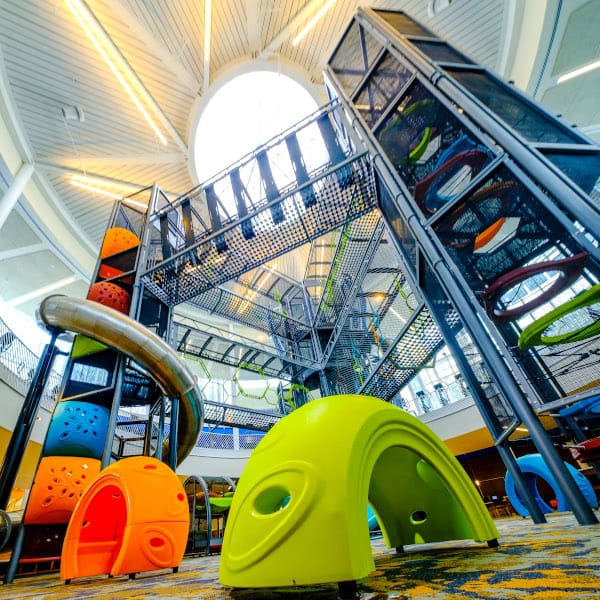
Hospitals are places of care and compassion. With an indoor hospital playground, care follows kids from the treatment room to a magical world of colorful climbing frames, swooping slides, and spaces built for laughter and imagination.
If you’re looking to add an indoor playground to your hospital, we’ve got you covered. This guide walks you through everything you need to plan a welcoming, imaginative space that brings joy and smiles to kids of all ages.
Benefits of Indoor Playgrounds in Hospitals
Having a space where kids can play brings a sense of normalcy to your hospital. Between treatments or appointments, children can connect and socialize, getting lost in a world of pure imagination.
Play itself has many benefits, from encouraging physical activity to boosting cognitive function. In a hospital setting, play becomes even more crucial, giving kids a chance to feel like themselves, even in an unfamiliar environment.
Boosting Emotional Well-Being
Hospitals are filled with unfamiliar faces and new sights and sounds. An indoor playground brings something familiar into the mix, creating a bright, lively space that channels anxiety or boredom into fun, creative expression. Rather than being a mere distraction, indoor play gives kids a chance to nurture their emotional health, all while having fun.
Indoor play also allows kids to build their self-confidence. They choose what to climb, where to walk and how to explore, with every small decision helping to boost their sense of independence.
Play at a hospital isn’t just a way for children to pass the time while they wait for their name to be called. Exploring an indoor playground can help them feel grounded, regulated and at ease. Research shows that play reduces stress, equipping kids with planning and self-regulation skills they’ll use later in life.
Promoting Physical Activity
Physical activity is vitally important for children’s growth and development. Kids aged 3 to 5 need to be active throughout the day, while children aged 6 to 17 need at least 60 minutes of moderate-to-energetic daily activity.
Indoor playgrounds for hospitals are the perfect way for kids to burn off their excess energy. Whether they’re exploring tunnels or tiptoeing across beams, play feels like a journey, not exercise. These movements and bursts of discovery-induced laughter naturally release feel-good endorphins in the brain, helping children feel calmer and happier during their hospital visit.
For children undergoing physical treatment, play can incorporate some healing movement into their day, when appropriate. The best part? Kids won’t see play as physical therapy. Climbing, sliding and balancing become an adventure, not a doctor-assigned chore. Every pull, hop or stretch strengthens muscles and encourages healthy motion, all while keeping spirits high.
Healthy Cognitive Development
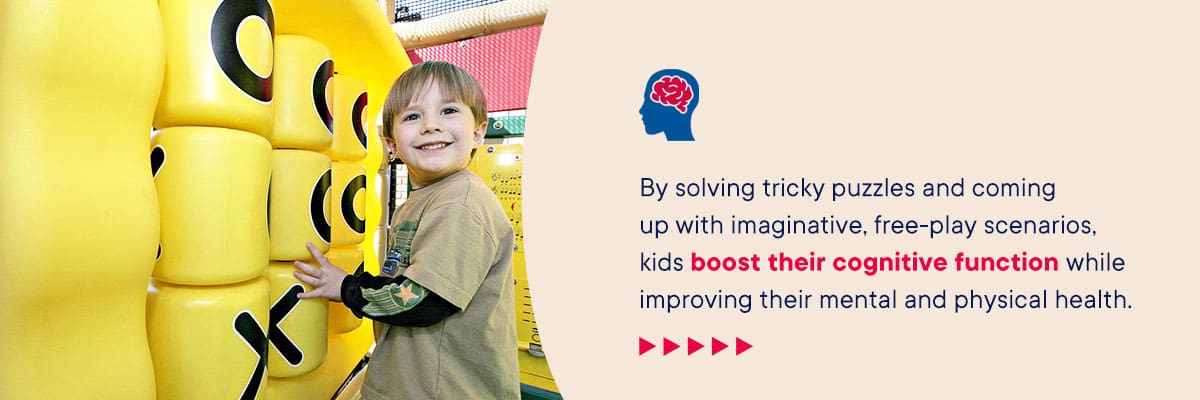
Play isn’t just fun — it’s a powerful tool that can help kids learn. By solving tricky puzzles and coming up with imaginative, free-play scenarios, kids boost their cognitive function while improving their mental and physical health.
Indoor play can help:
- Support memory and attention: Solving interactive puzzle walls and exploring sensory stations stimulates focus and improves memory.
- Foster creativity: Playing role-playing games and coming up with imaginative scenarios nurtures storytelling skills.
- Encourage problem-solving: Figuring out how to climb a structure or how to solve a puzzle helps kids think critically.
- Engage the senses: Stimulating sight, sound and touch through textured surfaces keeps children mentally alert and curious.
- Promote confidence: Deciding where to go, what to climb and what to do can foster confident decision-making.
- Improve motor skills: Balancing, grabbing and climbing help improve hand-to-eye coordination.
- Encourage socialization: Connecting with other kids helps children practice communication and empathy.
A well-designed playground blends both mental and physical challenges, allowing kids to strengthen their minds and bodies while having fun.
Bringing Families Together
When parents or caregivers join the adventure, play becomes a shared journey for the whole family. Exploring obstacle courses or teaming up for tricky puzzles fosters teamwork, collaboration and problem-solving. Siblings will feel included, parents and caregivers will feel at ease, and the whole family will create happy memories — one giggle at a time.
For many parents, an indoor playground can also serve as a welcome respite. While kids play nearby, adults can relax, regroup or enjoy a few moments of ease, all while keeping an eye on their children as they explore and play.
Overall, there are many benefits of indoor playgrounds in hospitals, turning ordinary waiting rooms into treasure troves of imaginative possibilities.
How to Plan an Indoor Playground for Hospitals
Planning an indoor playground for hospitals is more than deciding where you’re going to put some swings and slides. You need to create a space that sparks imagination, supports development and blends seamlessly with your existing environment.
Choose Your Design
Hospitals are sterile, filled with clinical white hallways and the soft beeping of monitors. A hospital playground should burst with color and eye-catching designs to invite every kid to dream up big adventures around every corner.
Design considerations include:
- Active zones: Climbing frames, obstacle courses and balance beams help kids build strength and coordination.
- Quiet zones: Cozy nooks with soft seating, interactive tablets or sensory boards allow kids of all abilities to rest and play gently.
- Creative zones: Building blocks and art walls encourage imagination and problem-solving.
- Themes: An animal adventure, outer space exploration or underwater theme can make the playground feel like a journey straight from a storybook.
Mixing both active and quiet zones with a themed play area keeps kids engaged longer, allowing them to rest between periods of physical activity. It also caters to every child, whether they want to scale a climbing wall or complete a puzzle.
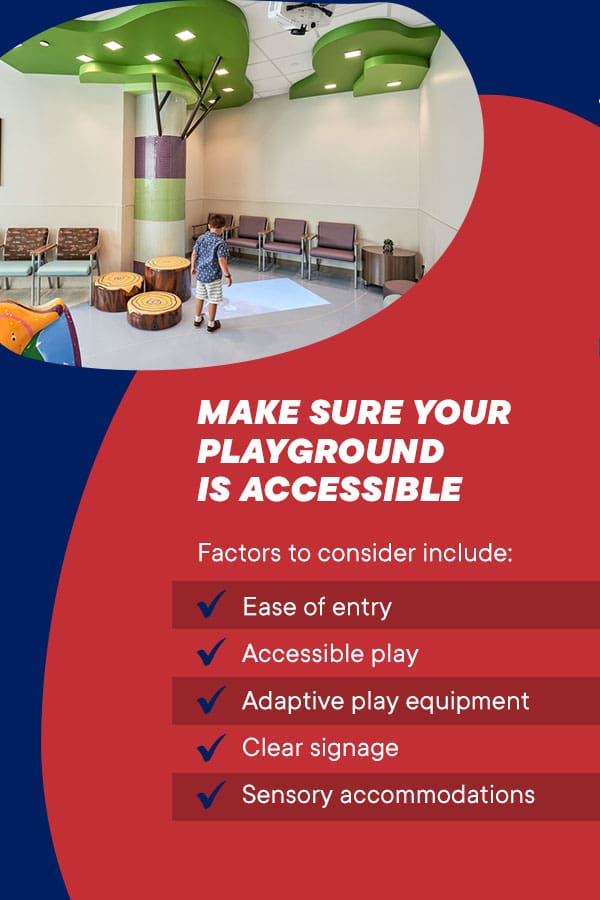
Make Sure Your Playground Is Accessible
Your hospital playground needs to welcome kids of all abilities. The Americans with Disabilities Act (ADA) requires all playgrounds to meet accessibility standards, with at least 50% of components being accessible to children with disabilities.
Factors to consider include:
- Ease of entry: Fully accessible entrances and exits let children of all abilities enter your playground.
- Accessible play: Ramps, low climbing platforms and wide pathways enable kids who use mobility aids to join in on the fun.
- Adaptive play equipment: Inclusive equipment, such as inclusive slides, allows children who use wheelchairs to participate.
- Clear signage: Visual guides help kids navigate the playground, making it easy to explore.
- Sensory accommodations: Soft floors, calming lighting and quiet areas can support kids with sensory sensitivities.
When children of varying abilities can play together, your indoor hospital playground becomes a truly magical environment.
Build a Playground That’s Inclusive for Every Kid
Every child has the right to play in an area where they feel safe and supported. Making sure your hospital playground is inclusive means all kids feel welcome and represented.
Consider implementing:
- Areas that cater to all ages, from toddlers to older kids.
- Murals, images and themes that provide cultural representation.
- Play equipment that encourages cooperation, allowing children to make new friends.
When you create an accessible and inclusive play area, you’re building a community hub that nurtures a kind, welcoming culture.
Important Safety Considerations
Safety should always be at the forefront of your mind when designing indoor playgrounds for hospitals. Kids need a space where they can climb, explore and let their imaginations soar safely, protected by soft floors and open layouts.
Key safety elements include:
- Soft, impact-absorbing surfaces: Flooring made from rubber mats, foam tiles or padded surfaces reduces the risk of bumps while letting kids play freely.
- Rounded edges: Smooth corners and edges on gates and equipment help minimize injuries.
- Secure equipment: Climbing structures, slides and rails should be sturdy and well-anchored.
- Clear sightlines: Open layouts with low partitions let parents or caregivers monitor safe play.
- Regular inspections: Weekly checks keep equipment in top condition — address wear and tear early to provide optimal safety.
- Choking hazards: Toys and panels should be free of detachable parts that could pose a choking risk.
- Controlled access: Clearly defined entry and exit points help maintain safe movement in and out of the playground.
- Age separation: Designated zones for different age groups can help prevent overcrowding.
- Emergency access: Ensure adults can reach any area of the playground promptly in an emergency.
- Nonslip floors: Antislip floor coatings throughout the play area can help prevent slips and falls.
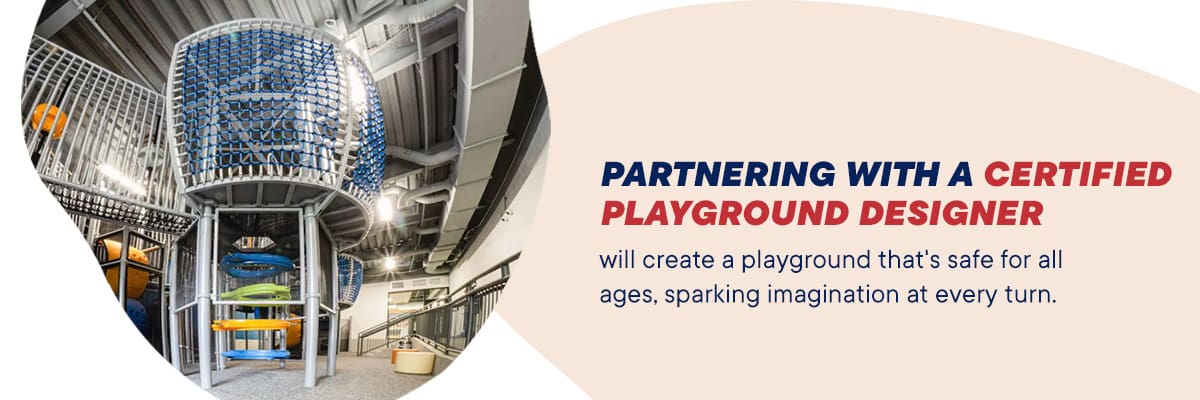
Partnering with a certified playground designer will create a playground that’s safe for all ages, sparking imagination at every turn.
Financing Your Indoor Hospital Playground
Adding an indoor playground to a hospital is an exciting investment in children’s well-being. However, before you pick out slides and tunnels, you first need to have an understanding of your finances. Budgets, pitches and fundraisers are all as important as building the playground itself.
Create a Budget
The first step is to map out your budget. Break down the individual costs for design, equipment, maintenance and insurance. Knowing the whole picture up front lets you determine which equipment you can install.
On average, the equipment of a 2,000-square-foot playground can cost hundreds of thousands of dollars. Knowing the total required sum can inform the rest of the finance process.
Host Fundraisers
Fundraisers are a fun way to involve your local community. From charity events to crowdfunding campaigns, these activities not only raise funds but also raise awareness of your project. Bake sales, sponsored walks and fun runs can bring everyone together, working toward a common goal.
Often, the majority of your donations come from a small group of donors. The Pareto principle suggests that around 80% of funds raised come from 20% of donors, so focusing on your most engaged allies early can give your project a big head start.
Collaborate With Brand Sponsors
Many brands are happy to support a good cause, particularly one like raising funds for an indoor playground in a hospital. Reach out to businesses and brands in your area to see if they’re willing to lend their support.
Sponsors can fund specific play apparatus, while some companies may cover flooring, murals or interactive technology for the playground. It’s a win-win — the hospital receives funding for its new playground, while brands get to demonstrate their support for their local community.
Build a Strong Case for Stakeholders
When presenting your playground plan to hospital administrators or board members, focus on the long-term benefits. Highlight how the space will enhance children’s emotional and physical well-being, as well as how it supports kids’ cognitive function. Include a detailed budget, projected costs, an expected timeline and potential funding sources to make your case both compelling and actionable.
Many indoor playground creators offer flexible finance options to help spread the cost of the project, meaning you might not have to hand over the whole sum up front.
Implementation and Launch
Once your funding is secured and your design is finished, it’s time to bring your indoor playground to life.
Preparing Your Space
Start by prepping the area where the playground will be installed. Clear or renovate rooms, install safe flooring and wall protections, and provide adequate lighting, ventilation and accessibility. Creating a safety-conscious foundation first sets the stage for a fun-filled opening day.
Work with professional installers and designers to guarantee that every slide, tunnel and climbing frame meets safety standards and works seamlessly with your hospital environment. They’ll help source permits and navigate red tape, creating a smooth process from start to finish.
Consider a Phased Setup
Installing major pieces of equipment first and leaving smaller features for later can often speed up construction. This approach can also align with staff training and the fine-tuning of playground rules.
Staff Training
Hospital staff and volunteers should receive guidance on playground supervision, safety protocols and emergency procedures. Proper training ensures that the space remains secure when it opens. Teach staff how to encourage inclusive play and support kids with varying needs, creating a welcoming environment for all. Training shouldn’t end after the first week or two — implement refresher courses to keep safety procedures in place.
Planning Your Launch
A successful launch will build excitement among kids, families and the wider community.
Consider the following for an effective launch day:
- Hosting an opening event with staff, patients and community supporters
- Sharing photos or videos of the playground online to spread the word
- Involving brands to boost visibility
Even simple touches like adding balloons or themed decorations can turn your opening day into a fun-filled community event, ensuring your playground is filled with laughter and smiles for many years to come.
Bring Play to Every Patient With Soft Play®
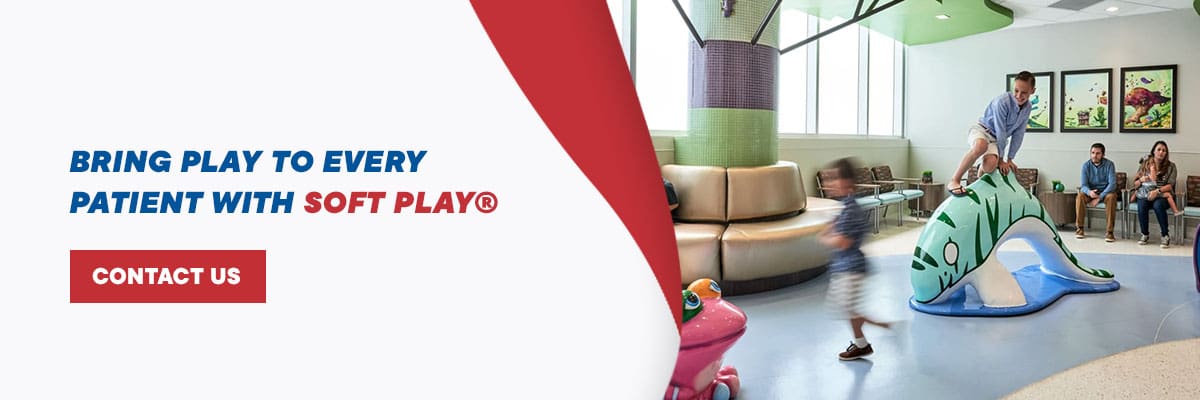
When you add a playground to your hospital, you’re not just installing metal and plastic — you’re bringing joy and comfort to every kid who enters your space.
At Soft Play, we’ve spent over 40 years building dreamscapes where imagination runs wild. Each product we make is handcrafted in the U.S. by skilled designers, making every playground unique. Ready to bring more giggles to your hospital? Contact our friendly team today to turn your hospital playground dreams into a reality.