Adding a New Attraction to Your Amusement Park’s Existing Layout
Adding a New Attraction to Your Amusement Park’s Existing Layout
Adding a new feature to your amusement park is important for staying competitive, attracting new visitors and increasing revenue. If you’re operating with a limited amount of flexible space, implementing a new attraction requires careful planning and insight. There are many ways to work with your existing space and layout, but you’ll need to assess your current design, understand guest needs and identify improvement opportunities for lasting success.
1. Analyzing the Market
Start by conducting market research. Feedback from surveys and focus groups can reveal what guests most enjoy about your park and what they feel is missing. This information also helps highlight changing preferences and emerging trends, and whether your visitors are looking for more immersive experiences or family-friendly attractions. You can also use the data you collect through market research to measure potential impacts on attendance and guest satisfaction.
A competitor analysis requires analyzing what other local and global amusement parks are offering. This information can highlight the industry innovations and trends that are attracting visitors. You can use this data to identify unique selling points and determine opportunities for differentiation to ensure your new addition stands out.
2. Set Clear Goals and Milestones
Take time to identify your core reasons for adding a new feature. Then, use your insights to set clear and measurable goals that fill any existing gaps and support your vision while meeting guest needs, strengthening your brand and driving sustainable growth. Setting goals early is crucial for success because your benchmarks allow you to measure initiative effectiveness and guide decision-making through planning and implementation processes.
3. Brainstorming Amusement Park Ideas
Once you identify the need for a new attraction, you can brainstorm concept ideas and feasibility. This process is critical and exciting, as it involves generating and refining ideas that will capture your guests’ attention and fit seamlessly within your theme park’s existing layout design.
Brainstorming should balance creativity with practicality. There are several crucial elements to consider, including:
- Concept development: This is the process of generating, exploring and refining ideas. It may involve creative workshops, collaboration with designers, gathering input from engineers and collecting guest feedback. Start brainstorming sessions with an “every idea is a good idea” mentality. Encourage your team to let ideas flow freely and consider logistics later to spark innovation. After discussing possible options, narrow down ideas by considering guest appeal, practicality and how each idea aligns with your goals.
- Brand and theme alignment: Your new attraction should reinforce your identity and enhance the guest experience. Consider your park’s history, values and signature experiences. Use these elements to determine how a new idea complements existing themes. While a brand-new concept can be exciting, a clashing concept could confuse guests or dilute your brand.
- Thrill level: Theme and thrill level will determine your attraction’s story, visual style and intensity. Choose a story or setting that resonates with your target audience, and decide whether the new feature will be high-adrenaline, family-friendly or interactive. Analyzing guest demographics and preferences can point you in the right direction. You should also review your existing lineup of attractions to ensure you offer equal opportunities for all visitors without duplicating what’s already popular.
- Feasibility: Evaluate whether you can successfully implement your idea within your park’s constraints. You might love the idea of building the world’s highest roller coaster, but does your budget, space and staff support the construction and operation of such an experience? Speak with contractors, engineers and designers to determine whether your park plan meets technical and spatial requirements for construction and ongoing maintenance.
4. Selecting the Site and Amusement Park Layout Design
Selecting the right site within an existing layout is a blend of art and science. You must carefully evaluate your space, guest flow and existing infrastructure to ensure the new addition enhances your layout and improves the guest experience.
Assess Available Space
When measuring a potential site, be sure to account for queue lines, the attraction’s physical footprint and whether you’ll need to install support features or extra buildings nearby. Assess the topography, including the land’s slope, soil stability and drainage. You should also identify any natural features, like trees or large rocks, that could affect construction. Your site must be able to accommodate necessary construction equipment and anticipated guest flow.
Observe Guest Flow
It’s also important to analyze how guests move throughout your park. Placing a new attraction in a low-traffic area can help balance crowds and reduce congestion. Avoid clustering high-demand attractions in a single area to prevent operational bottlenecks. The new attraction should be easy to find with logical paths and clear signage. Make sure it’s in close proximity to amenities like restrooms, seating and food outlets.
Conduct Site Evaluation
Evaluate the new attraction’s potential impact on existing infrastructure. Confirm your site has access to all necessary utilities, including water, electricity, sewage and internet, as well as enough space to complete maintenance and emergency services without disrupting other parts of the park.
Assess how your new attraction will blend thematically and visually with surrounding buildings, structures and zones, and consider how the building process could affect daily park operations if you plan to stay open to guests during implementation. High noise levels and limited walking space negatively impact the guest experience, so you may need to create unique work schedules or close during construction.
5. Determining Equipment and Theme Park Ideas
Finding durable outdoor equipment is crucial for park success. This phase is where your new attraction takes shape, and you’ll want to collaborate with designers, engineers or architects to ensure seamless integration. Some equipment ideas for your park could include:
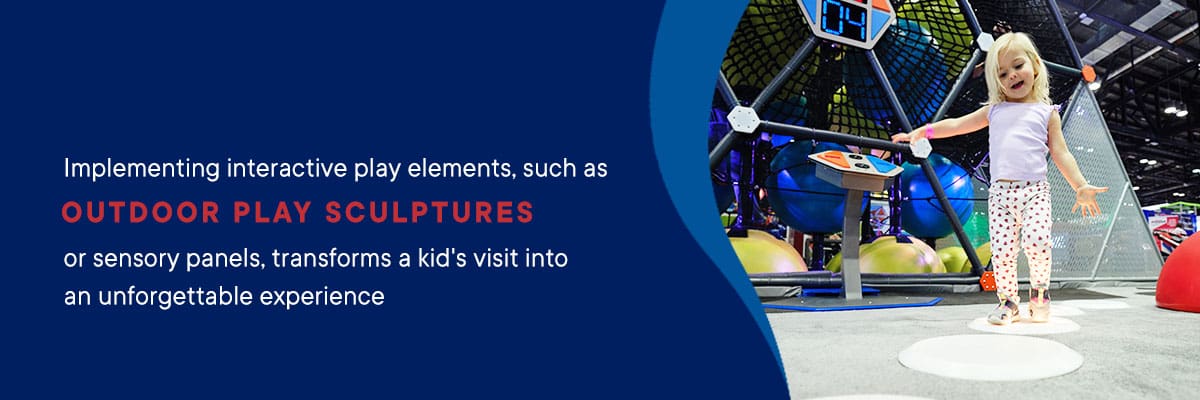
- Interactive play zones: Implementing interactive play elements, such as outdoor play sculptures or sensory panels, transforms a kid’s visit into an unforgettable experience. An interactive play zone could be a great way to stand out from competitors while creating rich, family-friendly encounters. These zones encourage social interaction among kids and parents and offer a reprieve from standing in ride lines or under a summer sun.
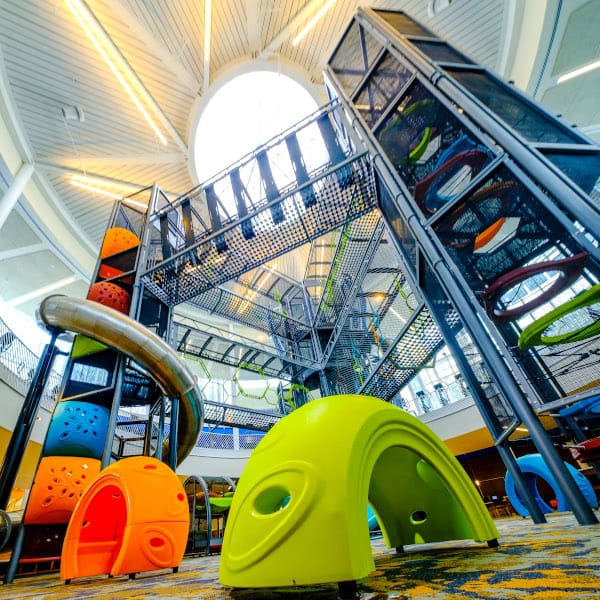
- Playground components: Playgrounds are excellent new attractions that support social and physical development. Playground components could include tunnels, bridges or a mix of custom equipment to create a unique experience. Modular playground components also offer additional benefits to amusement parks because their design makes it easy to refresh or expand play areas over time, so you can keep creating new experiences for returning guests.
- Themed environments: Themed environments are perfect for amusement parks. This equipment blends art and play and can seamlessly integrate with your existing themes or give you the opportunity to implement new ideas. You can also use themed attractions to reinforce your brand and enhance your park’s visual appeal or marketability.
6. Getting Approvals and Permits
Securing approvals and permits requires understanding local regulations and considering community and environmental impacts to ensure a smooth project launch that protects your investment and creates positive experiences. Obtaining approvals and permits is a legal requirement and a strategic method for safeguarding your park and guests. You must secure approvals to avoid shutdowns, hefty fines or attraction removal.
Confirm that your site is zoned for recreational use. You will also need to work with a contractor who is familiar with local regulations such as zoning laws, building codes and inspection requirements. Some locations may have restrictions on structure height, noise or hours of operation. Prepare for inspections throughout the construction process, from foundation checks to final safety inspections. Keep in mind you may also need special permits for certain attractions, such as those involving electrical work, water features or special effects.
7. Minimizing Environmental Impact
As you navigate this process, be mindful of your impact on the environment and community. Inform nearby residents and businesses about your plans, and consider holding information sessions to foster transparency. Assess how construction and operations may impact local ecosystems, green spaces and water runoff, then implement measures to minimize negative impacts. Consider requesting a formal environmental impact assessment, especially if you operate near any bodies of water or protected land.
8. Marketing the New Attraction
Effective marketing allows your new attraction to launch with maximum excitement and visibility. Advertising your new addition builds anticipation and creates memorable first impressions. Your marketing strategies will set the stage for strong attendance and lasting park success. Make the most of your launch by:
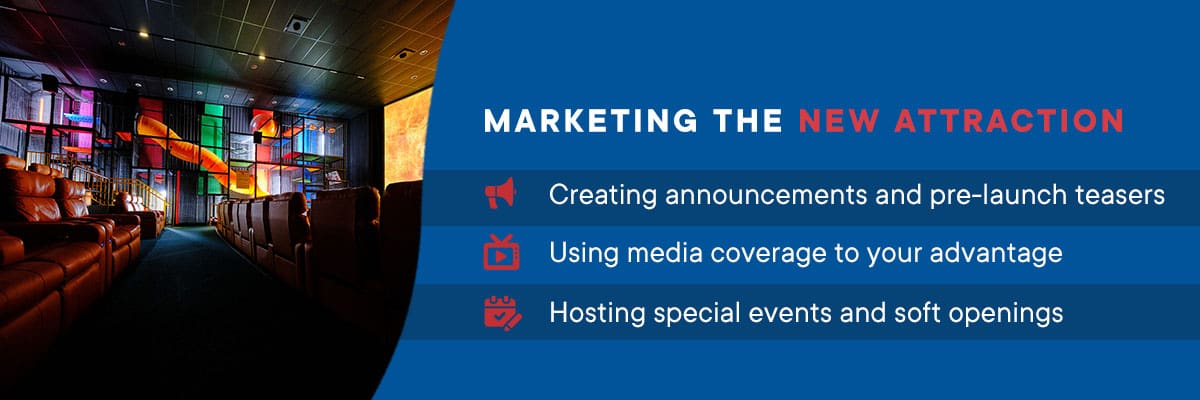
- Creating announcements and pre-launch teasers: Generate buzz and curiosity with exciting announcements and pre-launch teasers. Share behind-the-scenes videos on social media, create countdowns until opening day or post cryptic images that keep your park at the top of everyone’s mind. Create on-site hints like “coming soon” signs and themed props to spark guest speculation. Use your website and email newsletters for exclusive sneak peeks, early access information and frequently asked questions about the attraction.
- Using media coverage to your advantage: Expand your reach by amplifying your message across media outlets. Distribute press releases and host media previews with local news publications, and consider inviting journalists and content creators to experience an exclusive first-look or special event. Collaborate with local organizations or businesses to reach more potential guests.
- Hosting special events and soft openings: Host special events to foster memorable experiences and generate word-of-mouth recommendations. Invite a limited number of guests, like school groups, sports teams and other local groups, to experience your attraction before anyone else. Broadcast your opening event to engage visitors who couldn’t attend.
9. Training Staff and Optimizing Operations
Investing in staff training and operational readiness is just as important as the attraction itself. Recruiting and preparing the right team, updating park information and planning for ongoing maintenance are crucial for creating and maintaining an enjoyable experience and seamless transition for everyone.
- Recruiting and training staff: Your team will become the face of your new attraction and actively contribute to its success. Hire new staff members with an appropriate blend of experience and enthusiasm. For family-friendly attractions, look for individuals who are engaging and attentive to kids and families. Train all employees on updated safety protocols and emergency responses. For themed attractions, ensure staff understand your story and know how to enhance the immersive guest experience.
- Updating park maps and signage: Make sure all informational content is clear and accurate. Updating maps and signage helps guests find and enjoy the new attraction. Refresh physical and digital park maps to include the attraction and any new amenities, like food stands or restrooms. Install clear signs throughout the park to guide guests to the new space and reinforce the attraction’s identity. Indicate accessible routes and features to maintain guest inclusivity.
- Planning for ongoing maintenance: Like every other element of your park, your new attraction will require regular maintenance to remain appealing and operationally efficient. Work with your equipment provider to devise area maintenance and plan for inspections and upgrades as necessary. Keep detailed logs of all maintenance activities, including inspections and repairs, to track performance and identify recurring issues.
10. Hosting a Grand Opening
Make your grand opening an official park event. After weeks or months of detailed planning and careful consideration, opening day is your opportunity to see how your hard work paid off. A grand opening should be a celebration and a strategic opportunity for your new attraction to make a strong first impression.
11. Evaluating the Launch
After the launch, measure key outcomes and gather guest feedback to ensure your attraction delivers on its promise and can delight visitors for years to come. Track metrics like number of guest visits to the new attraction, ticket sales, merchandise profits and increased food and beverage sales related to the attraction. Assess operational performance by collecting data on attraction uptime, queue times or performance issues if they arise.
Gather direct feedback from your guests by conducting short surveys at the attraction’s exit, via email questionnaires or through an online form for guests to complete. Encourage your frontline staff to make observations and note recurring guest comments. Track social media metrics and online reviews for real-time reactions. This information can guide quick actions to address any recurring issues and help you identify opportunities for future enhancements.
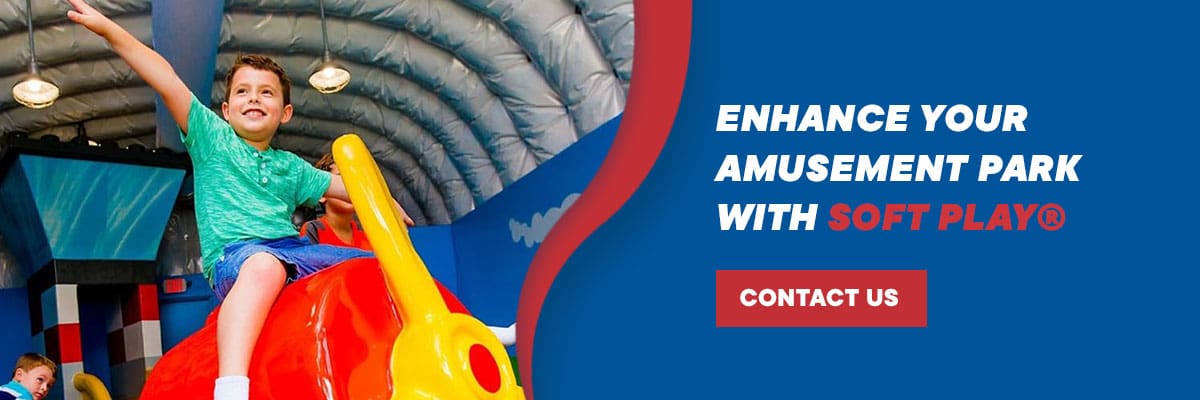
Enhance Your Amusement Park With Soft Play®
At Soft Play, we help businesses create attractive, fun and productive spaces that support imagination, development and play. Whether you’re considering a themed environment, small contained play area or a unique blend of art and activity, our team can help you find the new attraction that integrates well with your existing layout and enhances the guest experience. Start your project today by requesting a free design consultation.