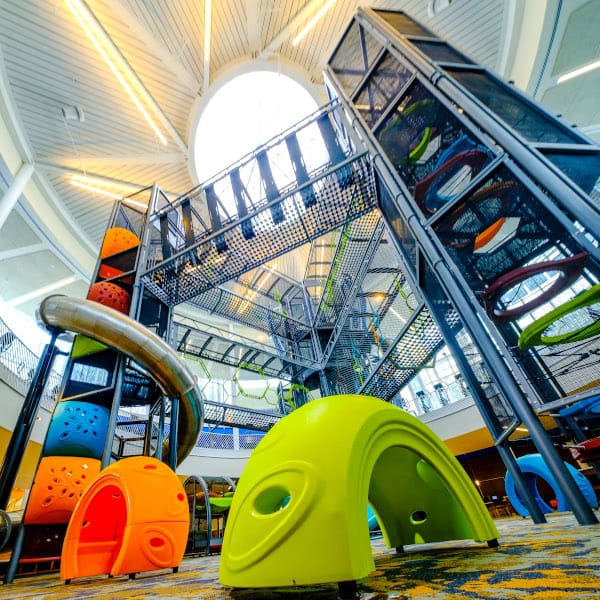
Designing for Play: Blending Form and Function in Play Spaces
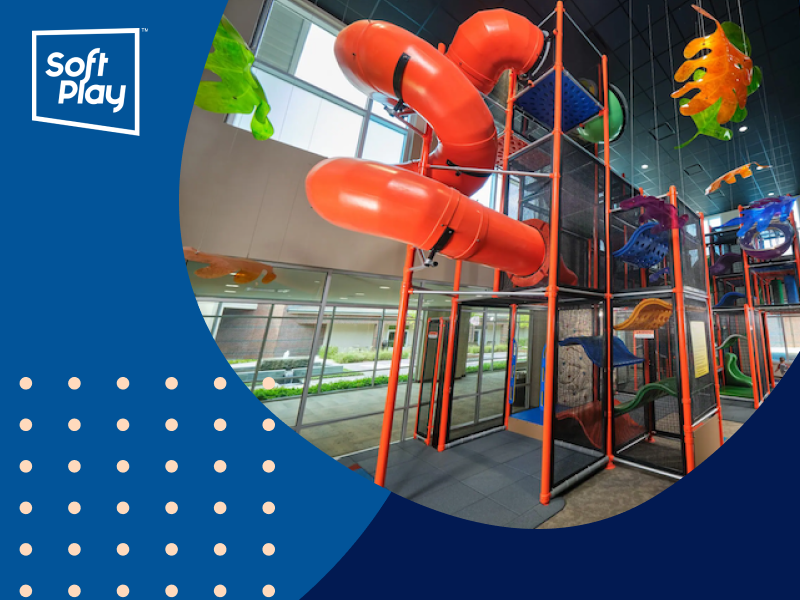
Designing for Play: Blending Form and Function in Play Spaces
Play spaces have transformed far beyond the traditional playgrounds of the past. Today, many people recognize play areas as essential features in a wide range of environments, including schools, public parks, health care facilities and more. This shift reflects a growing understanding of the profound impact that thoughtfully designed play environments can have on individuals and communities.
Facility managers and architects are increasingly being asked to create play areas that entertain and enrich their environments. These spaces serve as gathering points, encourage longer visits and enhance the overall experience for families and visitors.
However, as play spaces become more prominent, designers face increasing challenges in creating unique environments that are visually striking and welcoming while meeting rigorous standards for functionality and safety. Aesthetics draw families in, but safety and usability ensure play areas are valuable and sustainable for the long term. The best designs blend form and function seamlessly.
The Evolving Role of Play Space Design
Innovative play spaces do more than entertain — they create memorable experiences. Thoughtful layouts, engaging features and inclusive elements can transform a simple area into a destination. For businesses and public facilities, this translates into increased dwell time, repeat visits and positive word of mouth. For communities, it means vibrant, active spaces that support health and well-being.
Well-designed play spaces promote:
- Developmental benefits: Play areas support emotional, physical and cognitive development for kids of all ages. Playtime stimulates emotional development, leading to lower levels of stress, anxiety and other negative emotions. Encouraging kids to engage in pretend play promotes creativity and imagination, and as kids continue in unstructured play, they can experience other cognitive benefits. Of course, play also delivers physical benefits, empowering kids to improve flexibility and balance, develop stronger muscles, strengthen hand-eye coordination and lower several health risks.

- Social interaction: Play spaces encourage kids and adults to interact with others. When kids interact with their peers, they strengthen social skills. They can learn the importance of turn-taking and sharing, recognize and respect other people’s emotions, and determine how to resolve conflicts. For parents, the time a kid spends on the playground can become a welcome opportunity to speak with other adults. Families and neighbors can form stronger relationships by chatting while supervising their kids.
- Community engagement: By bringing families, neighbors and kids together, play spaces become social hubs. Playgrounds can revitalize public spaces, increase commercial foot traffic, and contribute to a sense of belonging and community pride.
Trends Shaping Design for Play
The documented benefits of play spaces have inspired a new generation of design. Today’s play spaces are more inclusive, engaging and community-focused. These spaces reflect the developmental, social and communal support that families seek from play environments. Several key trends are influencing this evolution:
- Inclusive play: With play spaces offering so many benefits for childhood development, it’s increasingly important to ensure kids of all abilities have the opportunity to enjoy them. Designers must incorporate accessible equipment and sensory-friendly features that encourage participation from everyone. Features like wide pathways, accessible surfacing and other universal design elements encourage group play and interaction between kids of varying abilities.
- Sensory play: Textures, colors, sounds and interactive features engage kids in new and meaningful ways. Designers are leveraging these unique elements to stimulate the senses and create immersive experiences. Tactile surfaces like sand, water and textured panels invite hands-on exploration, while auditory elements like chimes and sound panels encourage kids to create and respond to sound. Moving parts, interactive lighting and bright colors offer visual stimulation, and equipment like climbing structures and spinners support physical development by challenging movement and balance.
- Integration in unexpected places: More and more spaces are welcoming play areas. From retail centers to waiting areas, organizations and communities are finding ways to make play part of everyday life. Designers must navigate unique challenges with space availability, branding and equipment selection to ensure every play space is meaningful and engaging, regardless of location.
Key Principles of Playground Design
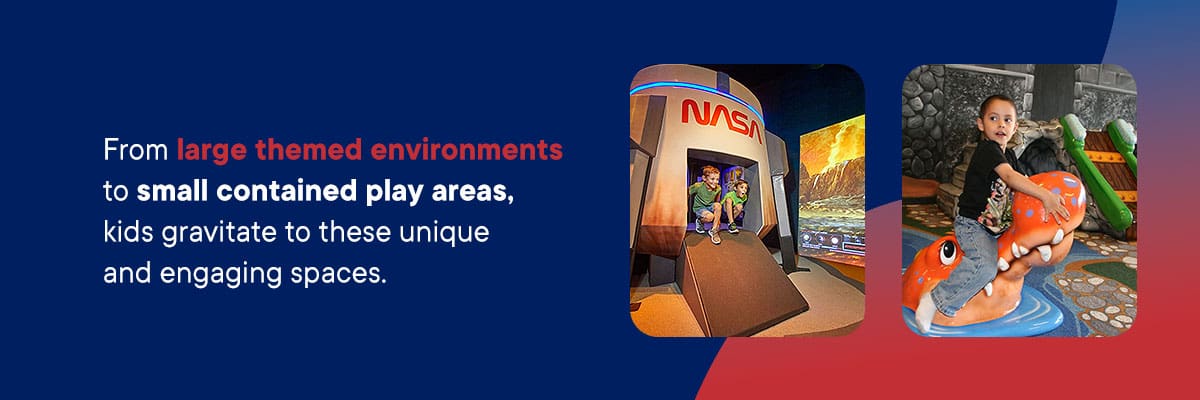
Play spaces can take many shapes and forms. From large themed environments to small contained play areas, kids gravitate to these unique and engaging spaces. Although each playground can be visually different, all successful play spaces leverage the same fundamental design principles:
- Safety first: Safety is the foundation of every successful playground. Well-designed play spaces minimize risks while allowing kids to challenge themselves, get creative and explore. Designers must adhere to local and international safety standards, use age-appropriate designs and provide clear lines of sight for caregivers to easily supervise kids at all times.
- Accessibility and inclusivity: Modern playgrounds welcome everyone, regardless of age, background or ability. Today’s play areas ensure kids and caregivers can enjoy the space. Designers must incorporate accessible routes, universal design elements and inclusive equipment into each playground design. Ultimately, the space should encourage interaction among kids of all abilities and empower everyone to feel a sense of belonging.
- Engagement tactics: Successful playgrounds captivate the imagination, encourage active play and support various development needs. Modern play spaces offer a mix of sensory, imaginative and physical play opportunities. Equipment allows kids to test their limits safely with challenging, but achievable, opportunities. Designers must also implement themes and aesthetic appeal through bright colors, different shapes and other visually stimulating elements that promote exploration.
- Durability and maintenance: Equipment longevity and safety hinge on material choices and ongoing care strategies. Designers must select weather-resistant and easy-to-clean materials that can withstand heavy use and the elements. Designs should also utilize layouts for straightforward cleaning, repair and inspection.
Designing for Play by Blending Form and Function
Modern play spaces are most successful when they seamlessly unite visual appeal with practical usability. Blending form and function means creating spaces that are as beautiful as they are practical. By focusing on inviting aesthetics, functional flow, modularity and connections to nature, designers can create play spaces that delight, engage and endure.
Some key elements to achieve this balance include:
- Inviting aesthetics: First impressions matter. Visually engaging spaces draw families and kids, spark curiosity and boost excitement before play even begins. Designers can use colors, shapes and themes to achieve an inviting appearance. Bold and vibrant colors can energize a space, while calming hues can indicate relaxed atmospheres. Strategic color placement can define zones for different activities or age groups. Unique shapes and unusual forms like spirals, arches and geometric shapes can add a sense of wonder and encourage imaginative play. Themed environments, like underwater worlds, large castles and mysterious jungle settings, can create immersive experiences and storytelling opportunities.
- Functional flow: Beautiful spaces must also work well and support safe, inclusive and engaging play. Well-organized layouts maximize safety, accessibility and enjoyment. Designers should arrange equipment to provide caregivers with easy observation from multiple vantage points. Clear, intuitive pathways should guide kids through the play space and reduce congestion. Implementing zones for various play styles, like active, social or quiet play, ensures the space accommodates different personalities, ages, abilities and energy levels.
- Modularity and flexibility: Flexible spaces can remain engaging and useful for years, supporting a wide range of activities and events. Communities and user needs evolve over time, so implementing modular and flexible designs is crucial for encouraging future adaptation. Modular equipment allows site managers and business owners to rearrange, replace or expand equipment as communities grow or needs change. Designs that incorporate pop-up features or temporary installations enable communities to change the space for special events or seasonal needs.
What Every Designer Needs to Know About Safety and Standards
Safety is foundational for meeting compliance and ensuring long-term playground success. Safety considerations start at the beginning of the design process and should remain a top priority throughout, from installation to maintenance.
Key Safety Standards — Balancing Creativity With Compliance
Established safety standards outline the best practices and requirements for protecting users and minimizing liability. Adhering to all appropriate governing bodies is critical. Standards that govern playground safety include:
- ASTM International: ASTM provides information on technical manufacturing standards for playground surfacing, fencing and equipment. These standards aim to guide manufacturers to produce the safest equipment components. Products that meet these standards must undergo testing.
- Americans With Disabilities Act (ADA): The ADA is a federal law prohibiting disability discrimination. It requires public facilities, including play areas, to be accessible for people of all abilities. Standards outline requirements for accessible routes, elevated and ground-level play equipment, surfacing, transfer systems and more. Public play spaces must follow ADA guidelines to meet legal requirements and ensure access for all kids and caregivers.
- State and local regulations: Many states and municipalities have their own regulations and codes that govern playground safety. These standards may reference or build upon standards from ASTM International or the Consumer Product Safety Commission (CPSC). Before beginning a project, it’s important to discuss all requirements with local governments to avoid hefty fines, legal liabilities or costly retrofits.
- Public Playground Safety Handbook: The CPSC created the Public Playground Safety Handbook to share guidelines for public equipment in child care facilities, parks, schools and other public areas. These guidelines are voluntary, but adhering to them can indicate the use of best industry practices and reduce the risk of injury.
Appropriate Spacing and Equipment Selection
Appropriate spacing and equipment selection are also fundamental to balancing safety, engagement and compliance in play area design. Designers must make thoughtful decisions that support development while protecting and engaging users. They can implement the following best practices:
- Use zones to organize the environment: Designate specific zones within a play area by activities or age group. This strategy ensures kids can access equipment that matches their interests and abilities, while reducing the risk of injury and collisions by separating active play from quiet play. Clearly define zones to make it easy for caregivers to monitor kids and respond quickly if necessary.
- Choose the right equipment: Select equipment that matches the developmental stage and abilities of intended users. Equipment designed for older kids can pose hazards to younger ones, but age-appropriate equipment keeps kids engaged and supports healthy development.
- Support supervision and security: Create layouts that ensure families can easily monitor all areas of the playground. Good sight lines allow for quick intervention if accidents or conflicts occur. Open visibility can also deter inappropriate behavior and help kids feel safe during play.
- Verify quality and certification: Schedule professional equipment installation of quality and certified playground components. Proper installation ensures equipment is secure, stable and functions as intended. Some municipalities may require playground components to meet certain quality standards or possess specific certifications to verify safety.
- Space equipment to reduce injuries: Maintain adequate space between equipment pieces and around each play element. Sufficient spacing allows kids to move freely and reduces crowding. Consider the unique needs of elements like swings and slides, which can have varying spacing requirements depending on the user and surrounding equipment.
The Role of Surfacing in Play Space Safety

Surfacing or flooring is another critical element of playground safety. Selecting the right type means balancing safety, durability, aesthetics and accessibility. Designers should follow best practices tailored to each environment to create safe, welcoming and easy-to-maintain play spaces.
The primary function of safety surfacing and flooring is to absorb impact and reduce the severity of injuries when kids fall. Outdoor playgrounds should implement surfacing like wood chips or shredded rubber, while indoor play environments should consider flooring like pour-in-place rubber, carpet or modular tiles.
When choosing surfacing or flooring, it’s also important to consider maintenance and longevity. Even the highest-quality surfacing can lose protective qualities over time from heavy use, weather elements or poor maintenance. Designers should choose materials that suit local environmental elements and the expected use for maximum durability. Loose-fill materials should maintain proper depths to maintain impact protection, and all flooring and surfacing should undergo regular inspections to assess damage, wear or displacement.
Some governing bodies may require materials to meet or exceed local regulations or safety standards. Designers must ensure standard adherence and extend surfacing or flooring beyond equipment to cover all potential fall zones.
Tailoring Playground Design to Unique Needs
Finally, designers must also consider the unique needs of a client or space. No two play spaces are entirely alike, and the most successful playgrounds reflect the character and needs of users and their surroundings. Designers can create truly distinctive play environments that blend form and function by:
- Implementing custom solutions: Custom solutions allow designers to move beyond off-the-shelf equipment to create memorable and meaningful spaces that suit their context. Customization can meet a variety of client goals, from reinforcing brand identity to solving site-specific challenges.
- Reinforcing brands and identities: Playground equipment can reinforce business or community identities. Businesses can add logos to brand playground components and engage with experiential marketing. Communities can reinforce identity by designing play elements that reflect a history or showcase values.
- Theming spaces for engagement: Themed environments can create immersive worlds while celebrating elements like local history, cultural heritage or unique geography. For example, a park near a riverfront could create a custom river adventure with aquatic themes and structures.
- Addressing site-specific challenges: Designers must also consider site-specific challenges. Custom play solutions can complement existing landscaping or architecture and allow designers to overcome challenges surrounding local weather, drainage issues and more.
Designing Play Spaces With Soft Play®
Soft Play partners with professionals to deliver innovative play elements that meet unique needs while promoting development. Our custom play solutions and design expertise bring thoughtfully designed, high-quality play environments to life. Our team can create play spaces to meet any space or budget. Get started by telling us about your project.